
Seven key takeaways for public health campaigns in healthcare settings
- Public health campaigns succeed when they drive action, not just awareness, with trust, clarity and relevance determining whether people respond.
- Healthcare environments increase effectiveness because messages are seen as more credible and audiences are more receptive to health information.
- Behaviour change is more likely in healthcare settings because people can act immediately, supported by professionals and real-time context.
- Relevance matters more than reach, with local, targeted messaging far more effective than broad, one-size-fits-all campaigns.
- Effective public health campaigns must reflect cultural context, as language, norms and trust shape how messages are understood and acted on.
- Campaigns often fail when messaging is too complex, unclear or lacks a clear next step, reducing engagement and impact.
- The most effective campaigns combine credibility, relevance and clarity to move people from awareness through to action.
The question isn’t visibility – it’s whether people act
Public health campaigns are everywhere.
From vaccination messaging to cost-of-living support, organisations are investing heavily in national awareness initiatives designed to inform, educate and influence behaviour.
Whether looking at UK public health campaigns or global initiatives, the challenge is rarely visibility – it’s effectiveness.
The real question is: What actually makes someone act on a health message?
This gap between visibility and action is well documented. While the majority of patients notice health messaging in healthcare settings, it is the combination of trust, timing and relevance that determines whether they act.
The most effective campaigns don’t just generate visibility; they build trust, create understanding and drive action.
Dean Gahagan, Joint Managing Director at IDS Media, says: “Seeing a message is easy. Acting on it is much harder, and that usually comes down to whether people trust it and feel like it actually applies to them.”
What defines an effective public health campaign today?
At a surface level, most campaigns aim to raise awareness. But awareness alone rarely changes behaviour.
The difference between campaigns that are seen and those that actually work comes down to three factors:
• Trust
• Clarity
• Relevance
“If it’s not credible, people won’t believe it. If it’s not clear, they won’t understand it. And if it’s not relevant, they won’t think it’s for them,” says Dean. “That’s usually where campaigns fall down.”
Why healthcare environments change how messages are received
Public health messaging behaves very differently depending on where it appears.
In healthcare settings, the environment itself does part of the work, as Dean explains: “People don’t enter these spaces casually. They arrive with a different mindset – one that’s more focused, more serious and more open to information about health.
“There’s an automatic level of trust in a healthcare setting,” says Dean. “People assume that what they’re seeing has been vetted, that it’s appropriate, and that it’s there for a reason. That changes how they engage with it straight away.”
This creates a distinct advantage for public health communication:
• Messages feel more credible
• People are more receptive
• Engagement is more considered
How healthcare settings support behaviour change
Many public health campaigns are designed to influence behaviour, but not all succeed. The key difference is whether the environment supports action.
Healthcare settings create a unique opportunity because they bring together three conditions that are difficult to replicate elsewhere.
- The right mindset
“People are already thinking about their health,” says Dean. “They’re more open to advice, more aware of risk, and more likely to engage with information that feels relevant.
“You’re not trying to interrupt someone’s day, you’re stepping into a moment where health is already front of mind.”
- The ability to act immediately
One of the biggest barriers in public health communication is delay. People see a message, intend to act, and then forget. Healthcare environments remove that gap.
“If someone sees something relevant, they can do something about it there and then,” says Dean. “They can ask a question, speak to a professional, or take the next step straight away. That’s a big difference compared to other channels.”
- Support through conversation
Public health messaging doesn’t exist in isolation in healthcare environments. It’s supported by people. Patients can:
• Ask questions
• Seek reassurance
• Clarify what they’ve seen
“You’re not leaving people to interpret the message on their own,” says Dean. “They’ve got someone there who can help them understand it, which makes a huge difference when you’re dealing with health.”
Why relevance matters more than reach
One of the most consistent themes across successful campaigns is relevance. Not just broad relevance, but local, contextual relevance.
Effective public health campaigns are tailored to:
• Specific communities
• Regional issues
• Demographic needs
Dean highlights the importance of what he describes as “micro-messaging”:
“You can’t just run one message across the whole country and expect it to land everywhere,” he says.
“Different areas have different challenges, different demographics, different priorities. The message has to reflect that.”
This could mean:
• Seasonal messaging aligned to weather or risk
• Targeted campaigns for specific communities
• Localised public health initiatives
“If people don’t feel like it’s relevant to them, they’ll switch off straight away,” he adds.
Relevance must also reflect cultural context
Relevance in public health communication isn’t just about geography or local issues. It’s also shaped by culture, language and lived experience.
Across the UK and globally, communities are diverse, with different cultural identities, languages and levels of trust in healthcare systems. These factors influence how people interpret information; how credible it feels and whether they act on it.
As a result, effective public health campaigns need to account for more than just location. They must consider:
- Language and how it is used locally
- Cultural norms and expectations
- Variations in trust towards institutions
- The role of family, community and social influence
This means going beyond simple translation.
Converting a message into another language does not guarantee understanding or engagement. Campaigns need to adapt tone, context and delivery so they feel natural, relevant and respectful to the audience they are intended for.
In practice, this might involve:
- Reflecting multigenerational households in communities where family plays a central role
- Using culturally familiar references and language to improve understanding
- Ensuring imagery, tone and visual cues feel authentic and relatable
These nuances can significantly affect whether a message connects or is ignored.
This is where targeted, localised communication becomes particularly important. When campaigns reflect the realities, values and languages of the communities they serve, they do more than inform – they build trust.
Ultimately, relevance is not just about what you say, but how, where and to whom you say it.
Common mistakes that limit campaign effectiveness
Across multiple campaigns, the same challenges appear again and again.
Overcomplicating the message
“Trying to communicate too much at once often leads to disengagement,” says Dean. “Sometimes you see campaigns where there’s just too much information. People won’t read it if it feels overwhelming. You have to keep it simple.”
Using language that isn’t accessible
“Public health messaging must work for everyone,” says Dean. “Using overly clinical or academic language can be a barrier. You have to think about who you’re speaking to – different ages, different backgrounds, different levels of understanding.”
Focusing on awareness without action
Dean says: “Campaigns that inform but don’t guide next steps often fail to deliver impact. People need to know what to do next.
“If that isn’t clear, the message doesn’t go anywhere.”
Real-world insight: when campaigns need to adapt
One of the clearest examples of how public health campaigns succeed or fail in practice comes down to perceived intent.
As Dean explains, even well-known consumer brands have faced this challenge when moving into health-related messaging.
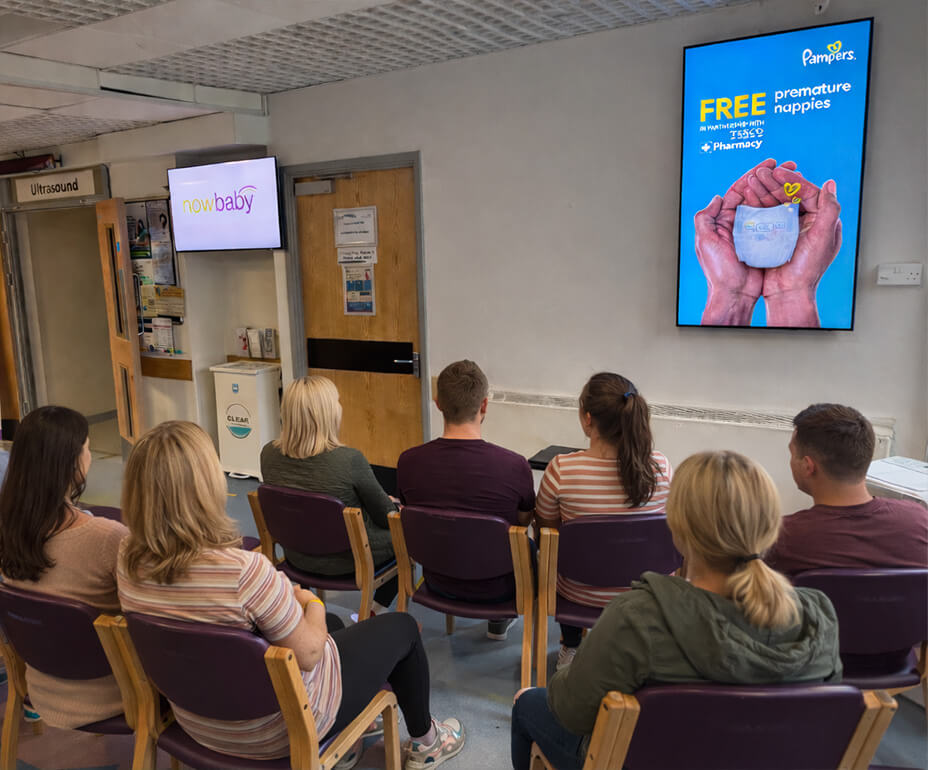
“In one example, a campaign focused on offering incentives directly to parents, but the response wasn’t particularly positive,” he says.
“It felt transactional, like there was something being pushed rather than something being given.”
The approach was later reframed.
Instead of targeting individuals, the campaign shifted to supporting healthcare settings directly – providing essential products to hospitals where they were needed most.
“The reaction completely changed,” says Dean, “because it felt like the brand was doing something genuinely helpful, not just trying to drive behaviour.”
This shift highlights a critical truth in public health communication: people are far more receptive to messaging when it feels:
• Supportive rather than promotional
• Relevant rather than imposed
• Aligned with care, not commercial intent
“It’s the same message, but a completely different perception,” says Dean. “And perception is what drives whether people trust it or not.”
This reflects a broader pattern seen across many examples of public health campaigns, where perception, trust and intent determine success more than visibility alone.
The role of trust in public health communication
Across every insight, one theme stands out clearly: Trust is what drives action. People are far more likely to respond to a message when:
• The source is credible
• The environment reinforces it
• The message feels appropriate
“If people trust what they’re seeing, they’re far more likely to act on it,” says Dean.
“That’s why the environment matters so much. Trust isn’t just a factor in public health communication; it’s the mechanism through which behaviour change happens.”
The three ingredients of an effective public health campaign
If you simplify it, effective campaigns are built on three core principles:
- Credibility
The message must come from a trusted source - Relevance
It must feel meaningful to the audience - Clarity
It must be easy to understand and act on
“If you get those three things right,” Dean says, “you give the campaign the best chance of actually making a difference.”
Why healthcare settings remain essential for public health campaigns
Public health campaigns don’t succeed based on message alone. They succeed when the message, environment and timing come together.
Healthcare settings provide:
• Trust and credibility
• A receptive audience mindset
• Opportunities for immediate action
• Access to professional support
And crucially, they reach people at the moment when communication can influence what happens next. This is why public health advertising campaigns are most effective when delivered in trusted, real-world environments.
“The difference with healthcare environments is you’re not creating demand, you’re responding to it,” says Dean. “People are already thinking about their health, so the role of communication is to guide what happens next.”
In public health, the difference between being seen and being acted on often comes down to where, when and how the message is delivered.
In practice, this leads to measurable outcomes, with a majority of patients reporting that they have taken action after seeing health information in a GP setting.
Want to influence patient action at the point of care?
IDS Media helps brands deliver effective campaigns across pharmacy environments, reaching people when they’re ready to take the next step.
Get in touch to plan your next campaign.
Source: YouGov research